Watercolor Wedding Elements: Hand-Painted Charm in Digital Form
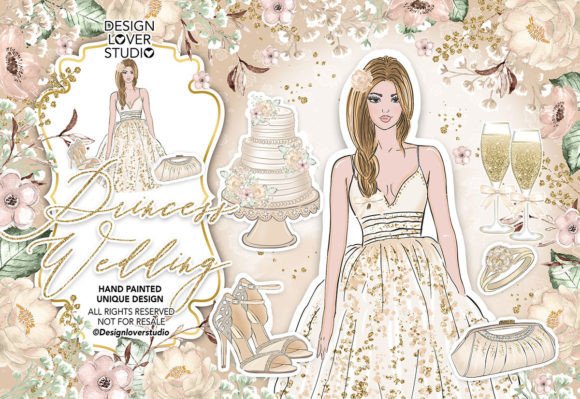
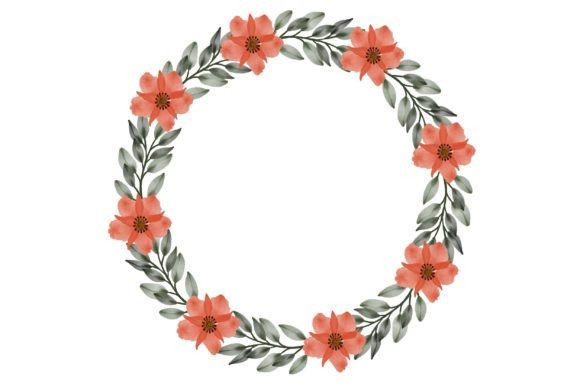
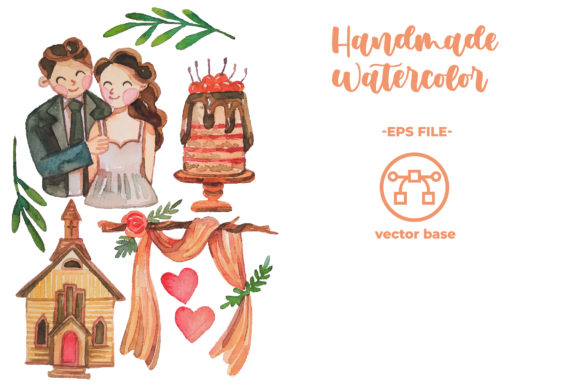
There’s something deeply personal about watercolor. The way pigments bleed softly into one another, the subtle texture of paper showing through, the gentle imperfections that make each stroke feel human—it’s a medium that evokes emotion, nostalgia, and warmth. Now imagine capturing that organic beauty and translating it into a versatile digital asset you can use across countless projects. That’s exactly what you get with Watercolor Wedding Elements, a collection of classic, retro-inspired illustrations that have been carefully converted into vector digital form. This isn’t just another set of graphics; it’s a bridge between the timeless appeal of hand-painted art and the precision required for modern design work.
Why Vector Conversion Changes Everything for Your Projects
You might be wondering why the conversion to vector format matters so much. Simply put, it gives you the best of both worlds. The original watercolor textures and color washes retain their authentic, hand-crafted feel, but because they’re in vector form (provided as an EPS file built on an AI CS6 base), you can scale them to any size without losing quality. Need a tiny floral accent for a business card? Perfect. Want to blow it up to a massive banner for a wedding expo? No problem. This scalability is a game-changer for designers and entrepreneurs who need consistency across multiple touchpoints, from digital screens to large-format prints.
The retro, classic aesthetic of these elements also sets them apart. In a design landscape saturated with hyper-modern, minimalist graphics, watercolor illustrations offer a refreshing contrast. They bring texture, depth, and a sense of artistry that can make a brand or project feel more curated and intentional. Think about the last time you received a wedding invitation with hand-painted details—it probably felt more special, more thoughtful. That’s the kind of emotional response these elements are designed to trigger.
Practical Applications: From Branding to Bridal Suites
So, where can you actually use Watercolor Wedding Elements? The short answer is: almost anywhere. But let’s break it down into real-world scenarios that matter to designers, small business owners, and creators.
For branding and logo design, watercolor elements can add a layer of personality that sterile, corporate fonts often lack. Imagine a boutique bakery using a soft watercolor floral motif as part of its logo, or a wedding planning service incorporating a subtle wash of color into its stationery suite. These touches help build a brand identity that feels approachable, artistic, and memorable. They’re especially effective for businesses targeting audiences that value craftsmanship, authenticity, and vintage charm.
In packaging design, watercolor textures can elevate a product from ordinary to artisanal. Picture a candle company using these elements on its labels, or a skincare brand incorporating them into its box design. The organic feel of watercolor aligns perfectly with products that emphasize natural ingredients, handmade quality, or eco-conscious values. It’s a visual shorthand for “this was made with care.”
For social media graphics and websites, watercolor elements can break up the monotony of digital layouts. Use them as background textures, accent borders, or featured illustrations in blog posts. They’re particularly effective for wedding photographers, event planners, lifestyle bloggers, and anyone in the creative space who wants their online presence to feel cohesive and visually rich. A well-placed watercolor floral spray can turn a plain Instagram quote graphic into something worth saving and sharing.
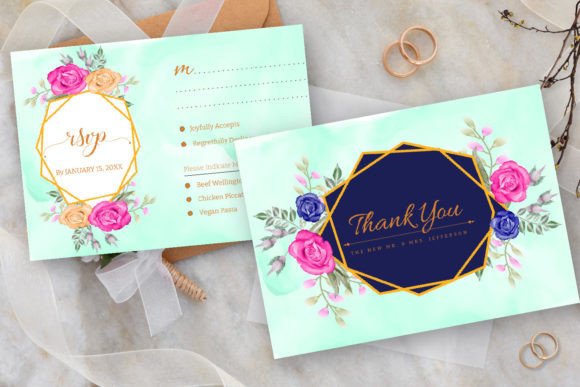
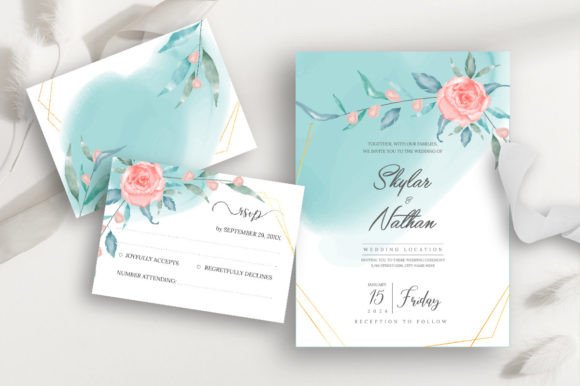
Print materials like invitations, posters, and editorial layouts are where these elements truly shine. Wedding invitations adorned with hand-painted florals feel inherently romantic and elegant. Event posters for art shows or boutique markets can use watercolor accents to signal creativity and uniqueness. Even magazines and lookbooks can benefit from the texture and warmth these illustrations provide, making editorial design feel less clinical and more human.
Don’t overlook merchandise and digital products either. Watercolor designs can be printed on tote bags, mugs, notebooks, and apparel, giving everyday items an artistic flair. For digital product creators, these elements can enhance worksheets, planners, or online course materials, making them more engaging and visually appealing.
Building Visual Consistency with a Curated Asset
One of the biggest challenges in design—whether you’re a solo entrepreneur or part of a larger team—is maintaining visual consistency. Using mismatched graphics or low-quality clip art can make a brand look disjointed and unprofessional. Watercolor Wedding Elements solve this by offering a cohesive set of illustrations that share the same style, color palette, and artistic sensibility. When you use these across your website, social media, packaging, and print materials, everything starts to feel connected.
This consistency directly impacts brand recognition. When customers see the same watercolor florals on your Instagram, your business cards, and your product packaging, they begin to associate that visual language with your brand. Over time, this builds familiarity and trust—two crucial components of any successful brand identity.
Readability is another consideration. While watercolor elements are decorative, they’re designed to complement typography rather than compete with it. Use them as backgrounds with enough contrast for legible text, or as standalone accents that frame your content. The key is balance. A busy watercolor background behind dense text can be overwhelming, but a subtle wash behind a headline can add depth without sacrificing clarity.
Making It Work: Practical Tips for Designers and Creators
If you’re new to working with watercolor assets, start by experimenting with how they interact with different font styles. Pair a delicate watercolor floral with a clean sans serif font for a modern contrast, or combine it with a script font for a more romantic, cohesive look. The versatility of these elements means they can adapt to various aesthetics—whether your project leans vintage, bohemian, rustic, or contemporary.
Always test your designs at multiple sizes. What looks beautiful on your computer screen might lose detail when printed small or become overwhelming when enlarged. Because these are vectors, you have the flexibility to adjust and refine until it feels just right. Pay attention to how the watercolor textures render in both digital and print formats, as colors can shift slightly between screens and paper.
For those using these elements commercially, it’s worth reviewing the licensing terms included with the asset. Understanding what’s permissible—whether for client work, merchandise, or digital products—ensures you can use the illustrations confidently and legally. Most premium font and graphic assets come with clear commercial licensing, but it’s always smart to double-check.
Finally, think about the story you’re telling. Watercolor wedding elements aren’t just decorative—they communicate a narrative of artistry, tradition, and emotional resonance. Whether you’re designing for a client in the wedding industry or adding a touch of elegance to your own brand, these illustrations can help you connect with your audience on a deeper level. They remind us that in a world of digital perfection, there’s still immense value in the handmade, the imperfect, and the beautifully human.