Timeless Elegance: Designing with Wedding Cards & Invitation Suites
There is an undeniable magic to a beautifully crafted wedding invitation. Before the vows are exchanged, before the first dance, that piece of paper or digital design sets the tone for the entire celebration. It’s a tangible promise of the day to come, a whisper of the theme, and a reflection of the couple’s story. For designers, entrepreneurs, and creative professionals, this presents a unique and rewarding challenge. Crafting these pieces requires a blend of emotional resonance and impeccable technical execution, where every element—from the flourish of a script to the weight of the paper—contributes to a larger, cohesive narrative.
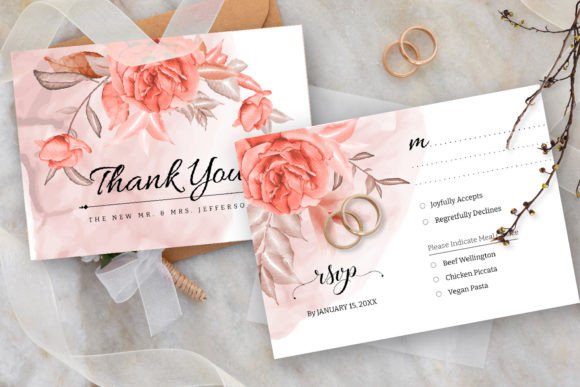
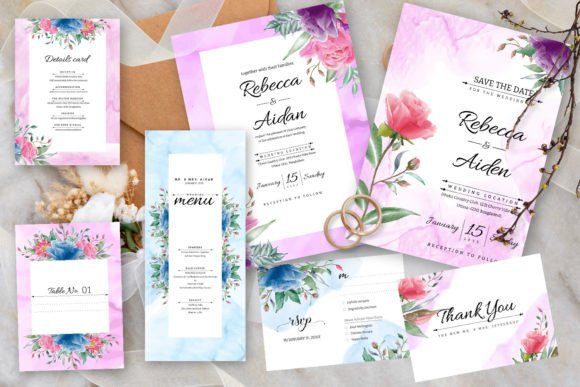
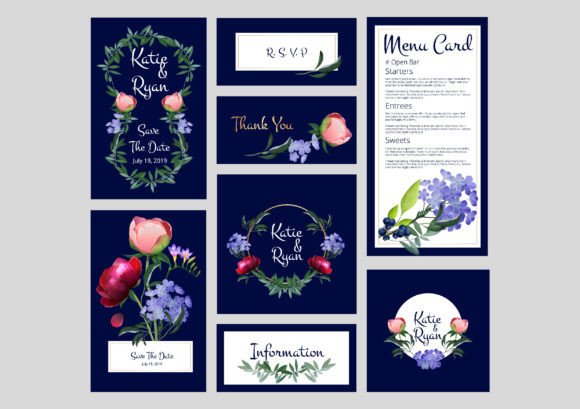
The foundation of any stunning invitation suite is its visual language. A resource like the Wedding Cards & Invitation template collection provides a masterclass in this language. Imagine opening a toolkit not of hammers and nails, but of golden frames that catch the light, delicate botanical illustrations that breathe life into the design, and elegant typography that guides the eye with grace. These aren't just decorative elements; they are the building blocks of a mood. The interplay of lush greenery with classic gold suggests a garden party elegance, while a minimalist floral sprig paired with a clean sans serif font speaks to modern romance. This collection offers a visual vocabulary that allows you to speak directly to your client’s aesthetic, whether it’s rustic charm, bohemian whimsy, or sophisticated minimalism.
Beyond the Invitation: A Toolkit for Cohesive Branding
While the primary application is clear, the true power of a well-designed asset pack lies in its versatility. Think of the included elements—floral motifs, ornate borders, and refined typefaces—not as locked components for a single project, but as a design system. This is where the real value shines for small business owners and content creators. The same golden frame that encloses a wedding date can beautifully border a thank-you card for a customer. The elegant script used for the couple’s names can become the signature font for a boutique’s logo, instantly imbuing the brand with a sense of care and artistry.
Consider the practical applications across your workflow:
- Logo & Brand Identity: The ornate or botanical elements can be adapted into monograms or submarks, creating a rich and layered brand mark that feels both personal and professional.
- Packaging Design: For businesses selling artisanal goods, cosmetics, or gourmet treats, these frames and floral illustrations can transform simple packaging into a gift-worthy experience, enhancing perceived value.
- Social Media & Digital Presence: Use the templates as a starting point for Instagram stories, Pinterest pins, or Facebook event graphics. The consistent aesthetic builds brand recognition and creates a visually stunning feed that engages your audience.
- Print & Marketing Collateral: From menu banners for a restaurant to elegant posters for a gallery opening or save-the-date flyers for an event, the design assets ensure every piece of communication feels unified and thoughtfully curated.
This approach moves you from being a designer who simply executes a brief to a visual strategist who builds an entire world around a brand or event. The consistency achieved by using a unified set of design assets—where the wedding invitation, the thank-you cards, and the social media announcements all speak the same visual dialect—creates a powerful and memorable impression.
Practical Guidance for Flawless Execution
Having a beautiful template is one thing; knowing how to wield it effectively is another. Here’s how to ensure your projects using such assets not only look good but also communicate clearly and professionally.
First, consider the hierarchy of information. A wedding invitation has a natural flow: the hosts, the request, the couple’s names, the details, and the RSVP. In your own projects, whether it’s a product launch poster or a website hero image, guide your viewer’s eye in a similar intentional sequence. Use scale, weight, and placement of the typography and design elements to create a clear path. The elegant serif fonts often included in such packs are perfect for headlines, while a clean sans serif companion ensures body text remains highly readable.
Second, mind the pairing. The romance of a script font is captivating, but it’s rarely suited for paragraphs of text. Use it sparingly for impactful callouts or names. Pair it with a stable, neutral serif or sans serif for all other information. This contrast creates visual interest without sacrificing readability—a critical factor for both print and digital applications where legibility is non-negotiable.
Third, leverage the file formats. A resource that includes vector files (like EPS) is a professional’s best friend. Vectors are infinitely scalable without loss of quality, meaning the intricate floral illustration from your wedding card template can be sized up for a large-format banner or scaled down for a tiny favicon without ever becoming pixelated. This flexibility is invaluable for multi-platform projects.
Choosing Assets with Commercial Sense
For any creative entrepreneur, the question of licensing is paramount. Before investing time in customizing any design asset, always verify the license. A truly valuable resource will come with a clear commercial license that allows you to use the final designs in projects for clients, sell products featuring the designs, or use them in your marketing materials without legal ambiguity. This peace of mind allows you to focus on what you do best: creating beautiful, effective work.
The allure of the Wedding Cards & Invitation aesthetic lies in its timeless appeal. It taps into a universal desire for beauty, celebration, and connection. By understanding its components—the interplay of nature-inspired illustration with classic typography, the role of ornate details in creating a luxury feel—you can harness this style to elevate a wide array of projects. It’s about more than just making something look pretty; it’s about using visual cues to evoke a specific emotion, tell a story, and build a cohesive identity that resonates deeply with an audience. Whether you’re designing for a client’s special day or building your own brand’s visual empire, these design principles remain your most reliable guide.