Mandala Wedding Design: Timeless Geometry for Modern Celebrations
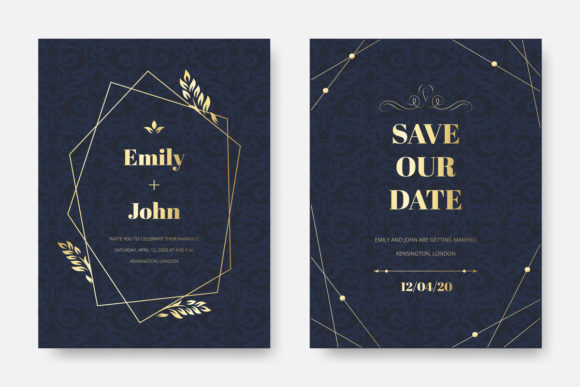
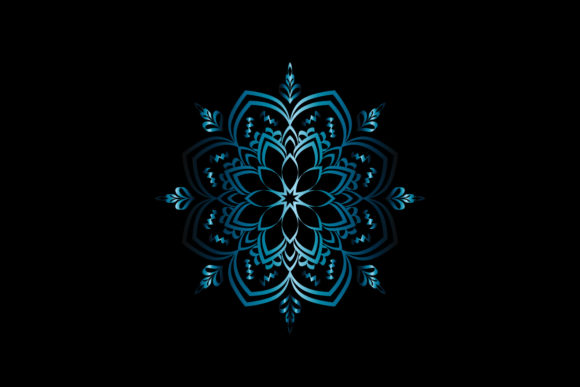
There’s a moment when you see a design that just clicks—it feels both ancient and fresh, intricate yet balanced. That’s the power of mandala-inspired patterns. The Mandala Wedding Design Decorative Design collection captures this essence, offering a versatile set of motifs that blend spiritual symbolism with elegant aesthetics. Perfect for events, branding, or artistic projects, these designs bring a sense of harmony and detail that’s hard to achieve with generic graphics.
What Makes This Collection Stand Out?
At its core, this isn’t just a set of pretty patterns. It’s a toolkit built for practical use. The collection includes six digital files—AI, EPS, SVG, DXF, JPG, and PNG formats—each sized at 1920px by 1280px. That means you’re getting vector-ready assets that scale without losing quality, alongside raster files for quick use. Whether you’re designing a wedding invitation or a social media banner, the flexibility here is key. You can edit colors, resize elements, or incorporate individual mandala sections into larger layouts without starting from scratch.
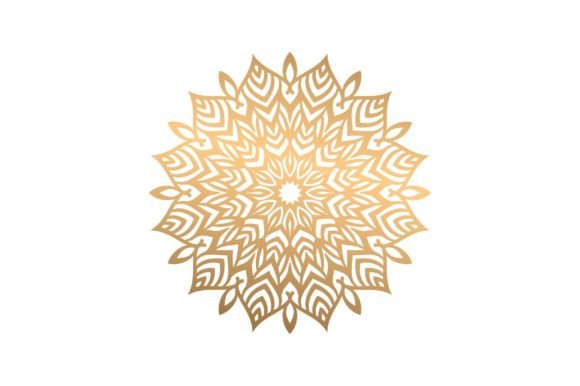
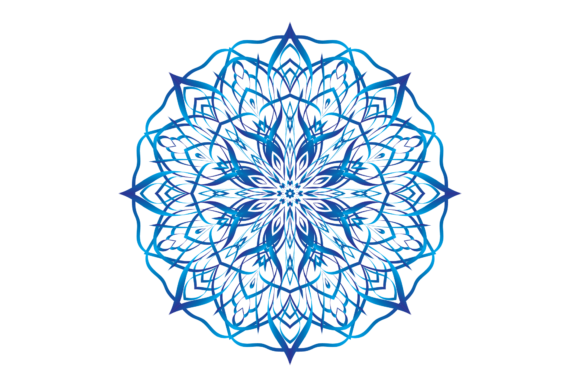
Visually, mandalas draw from a rich tradition of symbolic art. Their circular, repeating structures create a natural focal point. The designs in this collection avoid overly ornate details that might clutter small formats, instead striking a balance between complexity and clarity. This makes them adaptable—equally effective as a subtle background texture or a bold centerpiece.
Real-World Applications: Beyond Wedding Stationery
While the name suggests weddings, these designs extend far beyond that. Think of them as decorative assets for any project where elegance and symbolism matter. For example:
- Brand Identity and Packaging: A jewelry brand could use mandala patterns on product boxes or shopping bags to evoke craftsmanship and mindfulness. The intricate lines suggest attention to detail, which can elevate perceived value.
- Digital Marketing: Use the SVG files to create animated social media posts or website headers. The geometric nature of mandalas makes them ideal for subtle motion graphics that catch the eye without overwhelming the message.
- Editorial and Print Layouts: Magazines or blogs covering wellness, lifestyle, or culture can integrate these designs as section dividers, pull-quote backgrounds, or cover art. They add visual interest without distracting from text.
- Merchandise and Apparel: From tote bags to phone cases, mandala patterns translate well onto physical products. Their symmetry appeals to a broad audience, making them a safe yet stylish choice for print-on-demand ventures.
For entrepreneurs and small business owners, this kind of versatility is a practical advantage. Instead of commissioning custom illustrations for each project, you can reuse and adapt these assets across multiple touchpoints—saving time and maintaining visual consistency.
Enhancing Visual Communication and Brand Recognition
Consistency is foundational in branding. When you use a recurring visual element like a mandala motif across your website, packaging, and social media, it builds recognition. Customers start to associate that pattern with your brand’s identity—whether it represents creativity, spirituality, or sophistication.
This collection supports that strategy because the designs are cohesive yet flexible. You might use the full mandala as a hero graphic on a homepage, then extract a smaller section to use as an icon or watermark. The included formats make this easy: vector files for print and scaling, PNGs for digital overlays. That adaptability helps maintain a professional presentation across different mediums, which in turn boosts credibility.
Readability is another consideration. Mandala patterns are often used as backgrounds or borders, so it’s important they don’t clash with text. The designs here use fine, balanced linework that can be lightened or recolored to ensure legibility. For instance, you could place a faded mandala behind a blog header or use a high-contrast version as a border for an invitation—always testing to make sure the text remains clear.
Practical Tips for Using Decorative Fonts and Graphics
Pairing decorative elements with typography requires thought. A busy mandala pattern might overwhelm a script font, but could complement a clean sans-serif. Here’s how to approach it:
- Define the Mood: Mandalas can feel mystical, elegant, or modern depending on styling. Choose color palettes and font pairings that align with your project’s tone. A gold-and-ivory scheme evokes luxury, while monochrome feels contemporary.
- Test at Scale: View designs at different sizes—what looks intricate on a poster might become muddy on a business card. Use the vector files to simplify or thicken lines for smaller applications.
- Balance Detail with Space: Mandala designs are detailed by nature. Pair them with ample white space and minimal typography to avoid visual clutter. This is especially important in web design, where loading times and readability are priorities.
- Consider Commercial Use: Always check licensing. This collection is designed for creative and commercial projects, but it’s wise to review terms if you’re using it in mass-produced merchandise or client work.
For those new to working with decorative graphics, start simple. Try incorporating a single mandala element into a social media template or as a header image for a newsletter. Observe how your audience responds—do they engage more with posts that have visual depth? Over time, you can experiment with more integrated applications, like using mandala borders in PDF guides or as part of a logo suite.
Final Thoughts on Integrating Decorative Design
Design assets like the Mandala Wedding Design collection offer more than aesthetic appeal—they provide a toolkit for storytelling. Whether you’re a designer building a client’s brand, a blogger enhancing visual content, or an entrepreneur creating product packaging, these patterns can add layers of meaning and sophistication. The key is to use them intentionally, aligning their symbolic weight with your project’s goals. With the right balance, mandala-inspired designs can help create memorable, cohesive visuals that resonate with your audience.